
Long Term Capacity Strengthening Of TB Community Networks & Organizations In Pakistan
Project Description
Community systems and responses are essential to ending the epidemics of HIV, TB and Malaria. Community-led and community-based organizations provide accessible, appropriate, person-centered services (often at relatively low cost); they have established, trusted relationships with the communities they represent; and are able to go the last mile to ensure – in line with the Sustainable Development Goals - that ‘no one is left behind’. However, grassroots Community-led and community-based organizations often experience challenges with their systems and capacities, which can affect their ability to represent their respective communities, secure funding, manage grants, and implement and monitor programs effectively.
Pakistan is a high TB burden country; Pakistan has adopted a detect and treat TB strategy for halting TB incidence and the subsequent burden. Pakistan endorses the use of TB preventive therapy (TPT) for high-risk groups including those infected with HIV to halt incidence of TB in the country. Pakistan is falling behind in its targets in ending TB. This necessitates meaningful engagement of TB communities in TB response at all levels. Unfortunately, TB Community activism in Pakistan is minimal and APLHIV in collaboration with its partners has been working to provide a base to launch the TB community activism. TB CSGs were established and capacitated, which resulted in the 1st ever meaningful engagement of TB communities in the consultative process for GC 7. The APLHIV took such grassroots level initiative under Challenge Facility For Civil Society (Stop TB Partnership) and CE SI initiatives (GF CRG Department through our regional partner) during phase I of the initiative.
Taking the initiative forward, the APLHIV in close collaboration with our regional partner and CRG-GF undertook Phase II of the project in 2024 and initiated a fresh round of capacity building of TB Communities on Global Fund, its structures, roles/responsibilities, financing mechanism, Funding Model and processes with an objective to ensure meaningful engagement of TB Communities in ongoing GF related processes. Capacity building of TB Community Support Groups (CSGs) on communication skills, advocacy, leadership skills, human rights and peer support is part of the ongoing project.
An inception meeting was of the project was held in March 2024 in Islamabad which was attended by over 30 delegates from all over Pakistan. The inception meeting focused to take the stakeholders on board to launch new initiative to capacitate TB communities and promote TB activism in Pakistan.
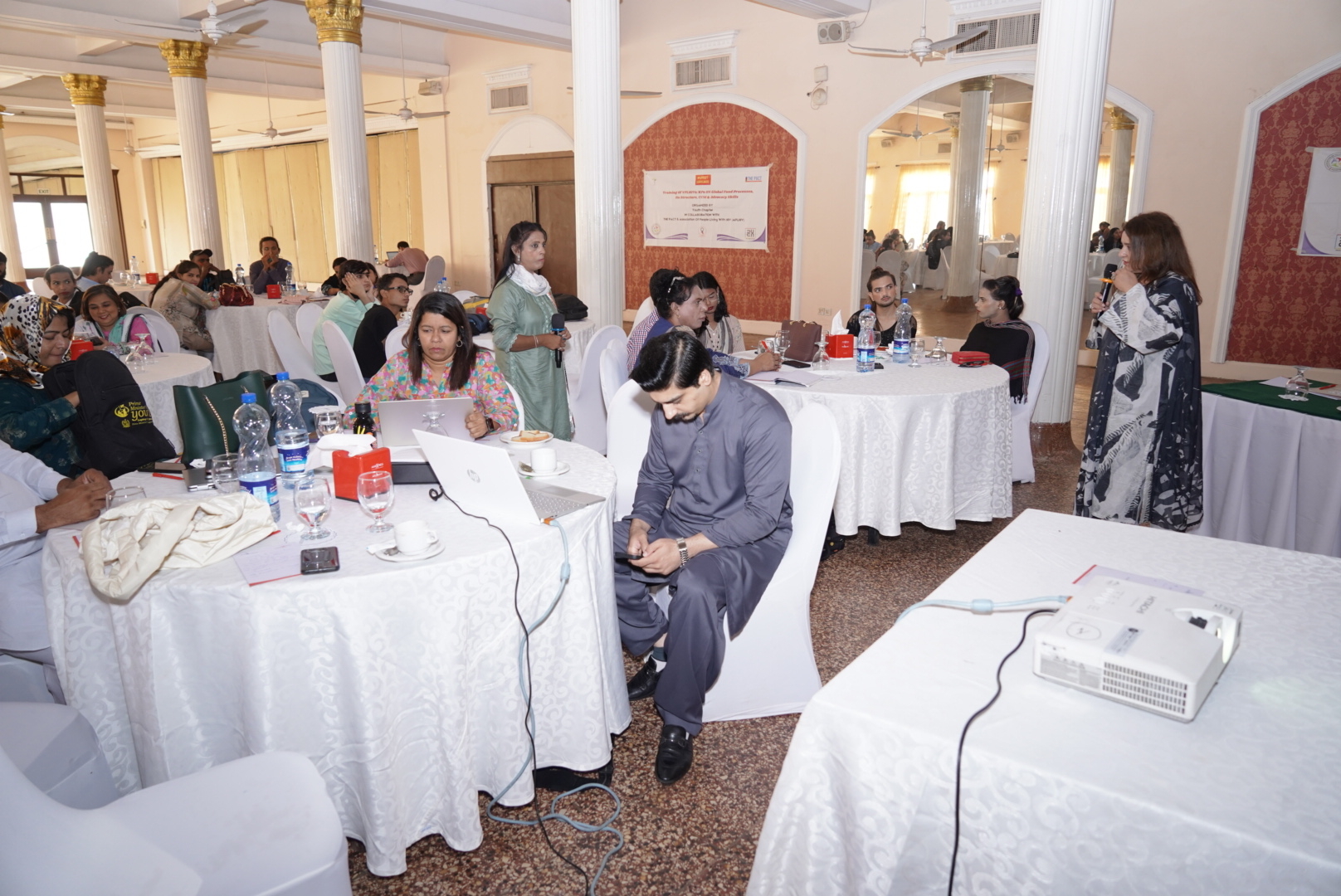
One of the major objectives of this project is to provide a learning hub/platform to the TB communities to foster TB activism and ensure inclusion of TB Communities in TB response. In this regard training workshops for selected members of TB CSGs from across Pakistan were organized which were attended by 80 selected members of the TB CSGs. The participants were focused on the subject under discussion. The activities were mainly organized in Punjab, Sindh and ICT/ Regions with participants from all over Pakistan. High government health officials also attended these capacity building sessions. The learning hub or the platform to capacitate and meaningfully TB Communities was launched in November 2024 with its name as “Activists Coalition on TB In Pakistan (ACT! PK)”. More capacity building activities, engagement sessions and stories from the ground are in pipeline. We are excited to empower TB Communities for a better, human rights based, and people centered TB response.
Additionally, a TB Community SCORECARD was also rolled out in Pakistan through APLHIV. Deadly Divide Report by Stop TB Partnership (STBP) 2020 suggests that human rights-related barriers continue to exist, impeding the reality of a rights-based TB response in most countries in the region. The situation was further exacerbated by COVID-19.
To see the human rights situation at Asia Pacific Level our regional partner developed a Scorecard to facilitate collective agreement to measure certain parameters and then to jointly plan advocacy actions with the goal of improving them. In this instance, the scorecard approach provides communities with evidence and data which they can use to advocate for measures to improve the National TB response through rights-based approaches. The scorecard encourages community ownership and promotes governmental accountability.
As part of Asia Pacific region, like other regional countries this Scorecard was launched in Pakistan through APLHIV. The TB scorecard was formally launched in May 2023 in the presence of various TB related stakeholders and communities. The importance of this scorecard can hardly be overemphasized in Pakistan due to high disease burden and drop-in country case detection rate in post-COVID pandemic.
Additionally, with support from our Asia Pacific Regional partner APLHIV organized several training events under regional training module titled “Right to Breathe”. This training module focuses on Human Rights of TB communities. The trainings were aimed at enhancing the understanding of TB affected communities of the relationship between Human Rights and TB, to build their capacity to document Human Rights violations and to engage in evidence-based advocacy. The training courses were attended by participants from across the country.
Project Description
Community systems and responses are essential to ending the epidemics of HIV, TB and Malaria. Community-led and community-based organizations provide accessible, appropriate, person-centered services (often at relatively low cost); they have established, trusted relationships with the communities they represent; and are able to go the last mile to ensure – in line with the Sustainable Development Goals - that ‘no one is left behind’. However, grassroots Community-led and community-based organizations often experience challenges with their systems and capacities, which can affect their ability to represent their respective communities, secure funding, manage grants, and implement and monitor programs effectively.
Pakistan is a high TB burden country; Pakistan has adopted a detect and treat TB strategy for halting TB incidence and the subsequent burden. Pakistan endorses the use of TB preventive therapy (TPT) for high-risk groups including those infected with HIV to halt incidence of TB in the country. Pakistan is falling behind in its targets in ending TB. This necessitates meaningful engagement of TB communities in TB response at all levels. Unfortunately, TB Community activism in Pakistan is minimal and APLHIV in collaboration with its partners has been working to provide a base to launch the TB community activism. TB CSGs were established and capacitated, which resulted in the 1st ever meaningful engagement of TB communities in the consultative process for GC 7. The APLHIV took such grassroots level initiative under Challenge Facility For Civil Society (Stop TB Partnership) and CE SI initiatives (GF CRG Department through our regional partner) during phase I of the initiative.
Taking the initiative forward, the APLHIV in close collaboration with our regional partner and CRG-GF undertook Phase II of the project in 2024 and initiated a fresh round of capacity building of TB Communities on Global Fund, its structures, roles/responsibilities, financing mechanism, Funding Model and processes with an objective to ensure meaningful engagement of TB Communities in ongoing GF related processes. Capacity building of TB Community Support Groups (CSGs) on communication skills, advocacy, leadership skills, human rights and peer support is part of the ongoing project.
An inception meeting was of the project was held in March 2024 in Islamabad which was attended by over 30 delegates from all over Pakistan. The inception meeting focused to take the stakeholders on board to launch new initiative to capacitate TB communities and promote TB activism in Pakistan.
One of the major objectives of this project is to provide a learning hub/platform to the TB communities to foster TB activism and ensure inclusion of TB Communities in TB response. In this regard training workshops for selected members of TB CSGs from across Pakistan were organized which were attended by 80 selected members of the TB CSGs. The participants were focused on the subject under discussion. The activities were mainly organized in Punjab, Sindh and ICT/ Regions with participants from all over Pakistan. High government health officials also attended these capacity building sessions. The learning hub or the platform to capacitate and meaningfully TB Communities was launched in November 2024 with its name as “Activists Coalition on TB In Pakistan (ACT! PK)”. More capacity building activities, engagement sessions and stories from the ground are in pipeline. We are excited to empower TB Communities for a better, human rights based, and people centered TB response.
Additionally, a TB Community SCORECARD was also rolled out in Pakistan through APLHIV. Deadly Divide Report by Stop TB Partnership (STBP) 2020 suggests that human rights-related barriers continue to exist, impeding the reality of a rights-based TB response in most countries in the region. The situation was further exacerbated by COVID-19.
To see the human rights situation at Asia Pacific Level our regional partner developed a Scorecard to facilitate collective agreement to measure certain parameters and then to jointly plan advocacy actions with the goal of improving them. In this instance, the scorecard approach provides communities with evidence and data which they can use to advocate for measures to improve the National TB response through rights-based approaches. The scorecard encourages community ownership and promotes governmental accountability.
As part of Asia Pacific region, like other regional countries this Scorecard was launched in Pakistan through APLHIV. The TB scorecard was formally launched in May 2023 in the presence of various TB related stakeholders and communities. The importance of this scorecard can hardly be overemphasized in Pakistan due to high disease burden and drop-in country case detection rate in post-COVID pandemic.
Additionally, with support from our Asia Pacific Regional partner APLHIV organized several training events under regional training module titled “Right to Breathe”. This training module focuses on Human Rights of TB communities. The trainings were aimed at enhancing the understanding of TB affected communities of the relationship between Human Rights and TB, to build their capacity to document Human Rights violations and to engage in evidence-based advocacy. The training courses were attended by participants from across the country.